 DIGITAL
Google Ads vs Meta Ads: Which Is Right for Your Business?
Choosing between Google Ads and Meta Ads starts with your customer. Meta Ads includes advertising on Facebook and Instagram, which we focus on here. We ask: do you need to reach people already looking for what you sell, or introduce your offer to more people first?
That is usually more useful than asking which platform is cheapest. A long list of enquiries means little if nobody is a suitable customer. Equally, a product people have never heard of may need exposure before they consider buying.
Google Search Ads: reach people with a need
When we discuss Google Ads here, we mean Search ads, rather than every format Google offers.
Someone searching for an office renovation company already has a reason to look. Your job is to show that you offer the right service, in the right location, and give them a clear next step.
This is why we often consider Search for professional services and purchases where a relevant enquiry matters more than a large number of casual messages. A property viewing enquiry, for example, is more useful when the person is looking in the right area and price range.
Search intent is a useful starting point, not a guarantee of lead quality. Broad keywords or an unclear landing page can still attract the wrong people.

Meta Ads: discovery through Facebook and Instagram
Meta Ads can reach people scrolling through Facebook or Instagram who may not be actively shopping. A strong image or video can introduce something they did not know they wanted.
We often consider these platforms for ecommerce products and accessible offers that need sales volume. Imagine a practical home accessory: a short demonstration can make its usefulness obvious in seconds.
The tradeoff is that attention does not always mean buying intent. You may receive curious messages from people who are not ready to purchase. Your creative, price, targeting and enquiry process help qualify that interest.
Facebook and Instagram can also bring valuable customers for expensive services. The distinction is how you reach people, not a rule that one platform always produces better customers.
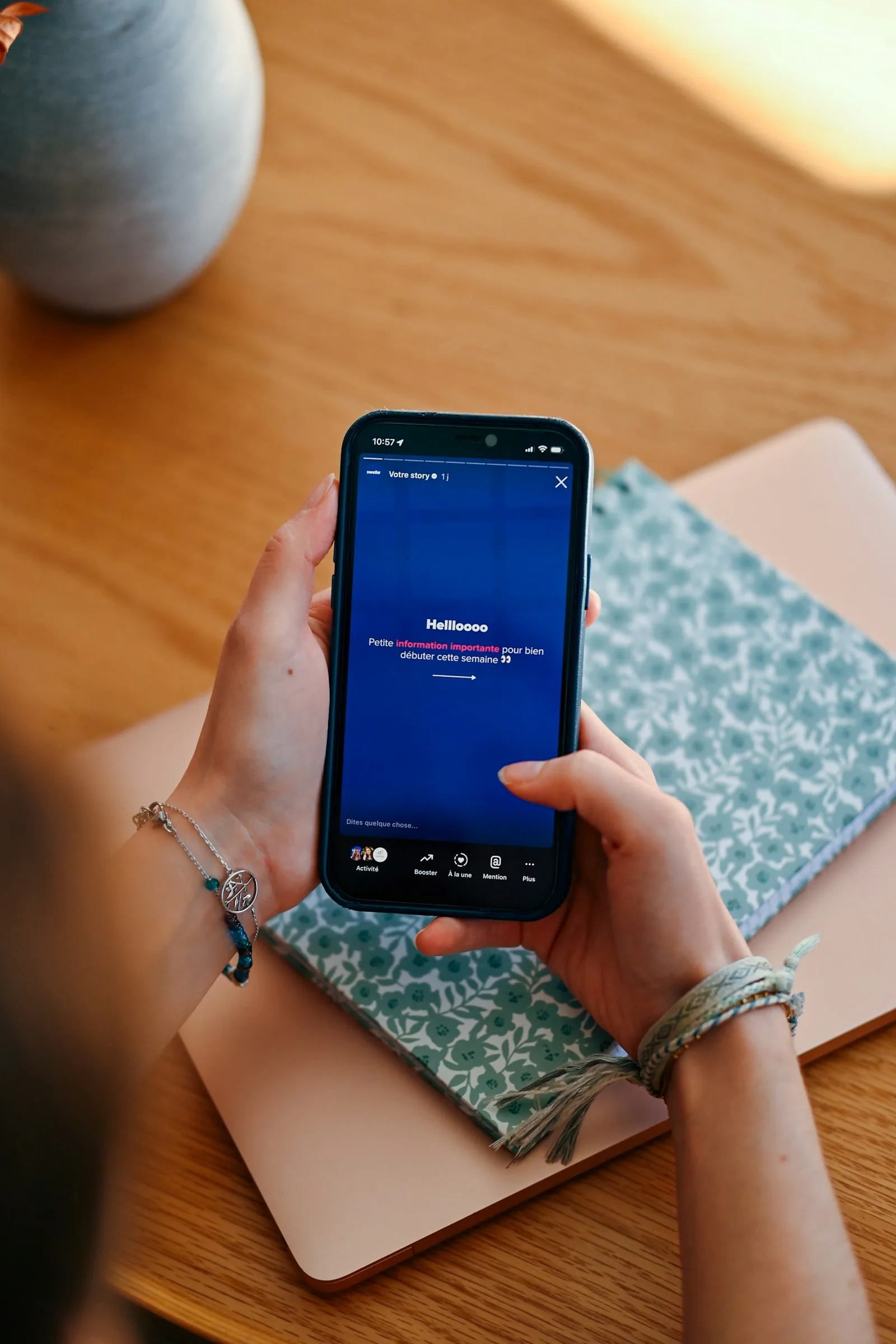
How to allocate your advertising budget
The budget needs a job before it needs an increase.
If Search is bringing relevant enquiries but people stop after receiving your quotation, review the offer and follow up. If a social ad gets attention but few purchases, check whether the ecommerce product page answers questions about price, delivery and trust.
Splitting a small budget across every platform can also make it harder to learn what works. Start with a clear reason for each channel and decide what would justify moving more budget towards it.
Compare suitable enquiries, bookings or profitable orders, rather than just clicks and message counts.
How long should you test Google or Meta Ads?
Do not plan around one month delivering a finished answer. You need room to test the message, assess enquiry quality and improve what happens after the click.
That does not mean paying indefinitely and hoping. Agree on the budget, what you will measure and when you will review it. Broken tracking or obviously irrelevant enquiries should be addressed promptly.

Common questions
Should I use Google Ads and Meta Ads together?
Only if each has a clear role and your budget can support a useful test. For example, Meta Ads can introduce an offer while Google Search Ads reach people looking for it. With a limited budget, start with the channel closest to how your customers buy.
Will Google Ads always convert better?
No. Search can reach people with an existing need, but the offer, competition, page and sales process still affect the outcome.
What should I prepare before starting?
A sustainable budget, a clear offer, suitable images or video, a working enquiry or purchase page, and someone ready to respond. Agree on conversion tracking so you can measure more than traffic.
Start with your customer, then choose the platform
Tell us what you sell, who you want to reach and what a useful result looks like. Explore our Google and Meta Ads service or discuss your campaign.